samogrow🌿 by Nombox
You already keep a machine on 24/7. Give it one more job. samogrow runs a herb garden from a camera, two smart plugs, and a Claude API key — open source (MIT), no pods, no subscription.
How it works
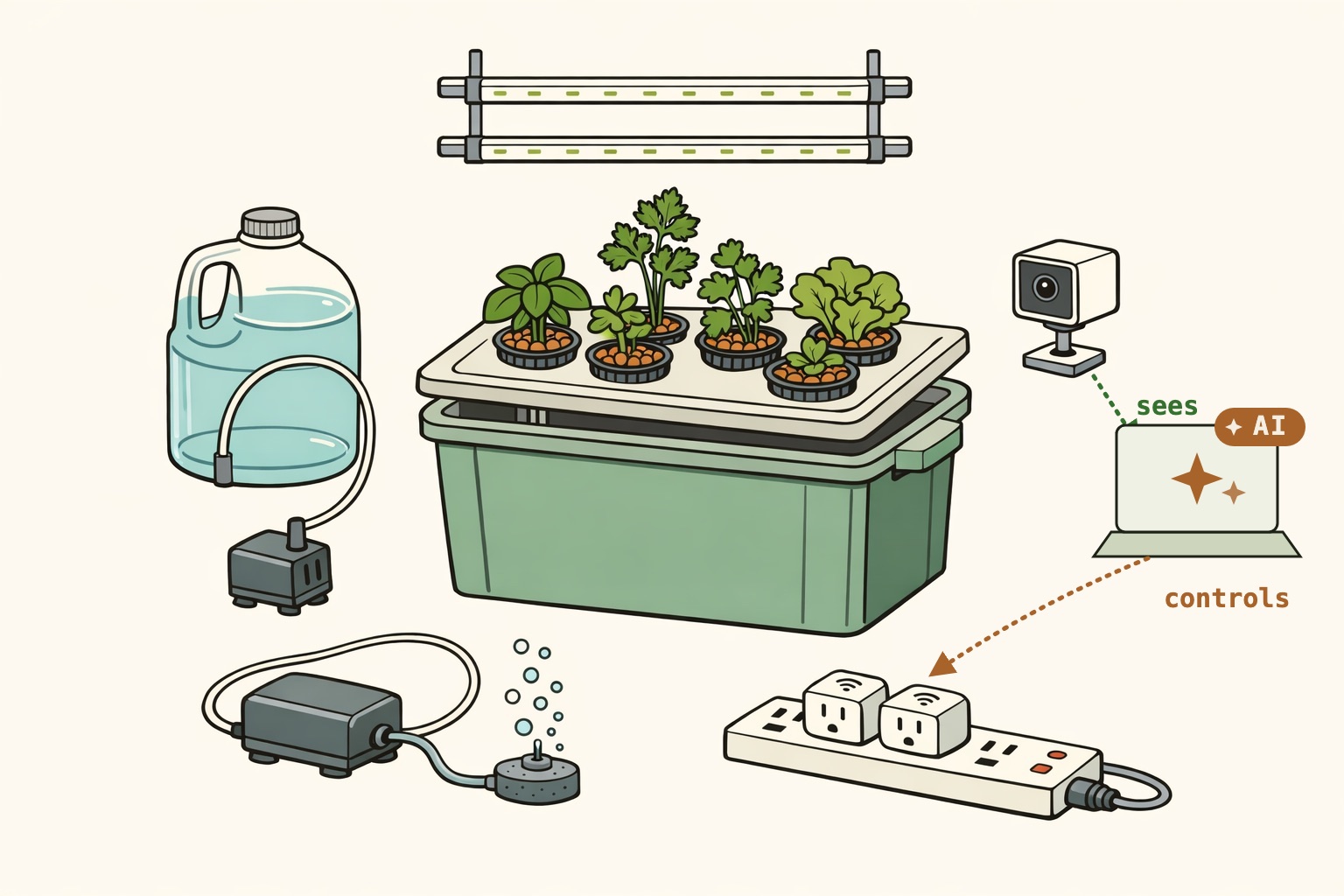
The garden is three off-the-shelf Wi-Fi gadgets — two smart plugs and a camera — with
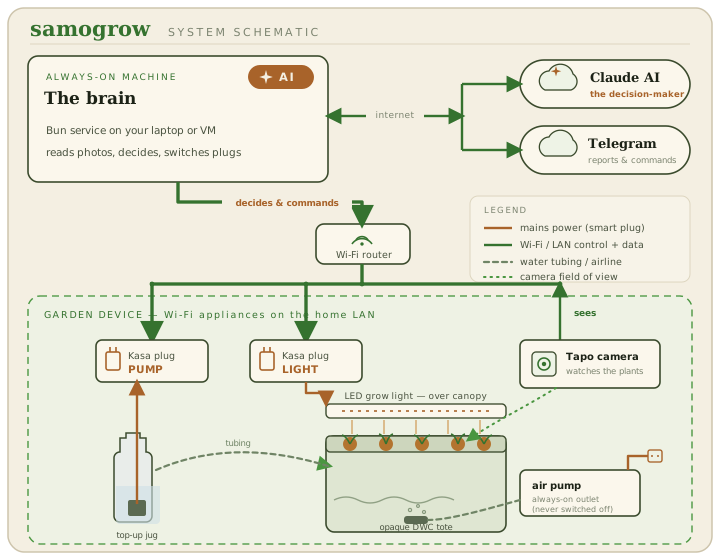
nothing to maintain. The brain is nombox, a small TypeScript/Bun service
(@anthropic-ai/sdk for vision, grammY for Telegram, everything
in one config.json) that runs on a machine you already leave on: it pulls a
photo, asks Claude what to do, switches the light and pump plugs, and reports on Telegram.
Plain software you can read and fork — no black box. Nombox is the maker; nombox is the
service you'll spot in your process list — and yes, the *box suffix is the wink.
samogrow service
A small program that sends each photo to Claude, reads back the verdict, switches the light and pump plugs, and runs the Telegram bot. It is the only thing you maintain.
Claude & Telegram
Claude reads each photo and returns a structured verdict; Telegram carries the daily digest, alerts, and your commands. Only the still image leaves your network — the camera is local RTSP, no cloud camera account.
Each cycle: the brain grabs a snapshot, Claude returns a verdict, the brain switches the plugs within fixed safety caps, and the result lands in Telegram.
Safety The AI can request water; it cannot override the cap. Per-run and per-day pump caps, a bounded top-up jug (worst-case spill is just the jug's volume), and an optional float/leak sensor.
Senses The camera is the only automatic sensor — the AI's eyes. The EC/TDS meter and pH kit are handheld manual tools: you dip and read them yourself, and the AI only learns a value when you type it into Telegram. Continuous EC/pH/level probes exist but need a microcontroller — a natural add-on to the V5 Pi build, out of scope for the wiring-free versions. One gotcha with cheap TDS pens: the ×10 multiplier — “115 ×10” means 1,150 ppm; missing it burned our first plants, so always relay the true value.
What it costs
Choose where you would source the build. Every view uses rough USD estimates and keeps the comparison on the same basis: startup hardware plus two years of garden consumables, excluding electricity and optional AI/API usage.
U.S. retail baseline from the documented build list. The automated V2 build is the comparison row; manual V1 and water-safety V3 remain visible as tiers.
EU retail estimate using EU-plug equivalents and VAT-inclusive listings. AUK and Click & Grow have verified EU storefront prices; Gardyn does not currently ship outside the U.S.
Budget marketplace estimate using representative AliExpress listings plus locally sourced supplies. This is not a drop-in parts list: plug APIs, RTSP, voltage, warranty, and seller variants must be checked before ordering.
Not verified UnavailableRough USD estimates, not checkout quotes. Shipping, tax/VAT, customs, promotions, plug type, and local availability vary. Electricity and optional AI/API usage are excluded from every total.
| System | Build / startup | 2-yr garden consumables | 2-yr total | Total / spot |
|---|---|---|---|---|
| samogrow · 6 sites | $256 | ~$70 | ~$326 | ~$54 |
| Auk Mini 2 · 4 pots | $229 | ~$80–120* | ~$309–349* | ~$77–87* |
| Click & Grow SG9 · 9 sites | $200 | ~$400 | ~$600 | ~$67 |
| Gardyn Home 4 · 30 sites | $899 | Not verified | Not verified | Not verified |
*AUK includes roughly six months of nutrients and one crop of coco. Its range adds 2–3 refills using AUK Mini's published €35 price because Mini 2 refills are not yet priced. Click & Grow assumes six full nine-pod restarts per year at current direct-store pricing. Both are estimates, not prescribed replacement schedules.
Per-spot cost keeps 4-, 6-, 9-, and 30-position systems from pretending to be the same size. Gardyn is left unpriced beyond hardware because its membership bundles plants with AI; inventing a consumables-only split would make the comparison less honest, not more.
| System | Growing method | Camera / AI checks | Watering | Remote alerts | Open source | Commodity consumables |
|---|---|---|---|---|---|---|
| samogrow | DWC hydroponics · LECA | optional | yes | yes | yes | yes |
| Auk Mini 2 | Passive coco-substrate hydroponics | no | passive | no | no | yes |
| Click & Grow SG9 | Smart Soil · passive wick irrigation | no | passive | no | no | no |
| Gardyn Home 4 | Recirculating hydroponic tower | with membership | yes | with membership | no | no |
The API line is arithmetic, not a guess: ~$0.0036 per analysis on Claude Haiku × 24 images/day ≈ $2.6/mo (≈ $5/mo at 48/day).
One EU-plug AliExpress basket, shopped from Poland: representative listings whose prices were observed via PriceArchive on 2026-08-20 — kept in USD for comparison.
A rough complete equivalent basket lands around ~$190–260 once you add locally sourced nutrients, LECA, seeds, pH supplies, adapters, and a tote — an inference, not a checkout quote and not a guaranteed drop-in equivalent of the U.S. build.
Shipping, VAT/customs, seller variants and promos, mains voltage, plug type, camera RTSP support, smart-plug protocol/API compatibility, warranty, and local sourcing all change the result — verify every listing before ordering. And a hard software caveat: samogrow currently drives Kasa (KLAP) plugs and Tapo RTSP cameras; generic Tuya-style plugs and cameras do not work with the current software without adapter work.
The parts
Every item is ordinary consumer gear — tap a thumbnail to view the source listing, or cart all 10 core items in one ready-to-order Amazon list →
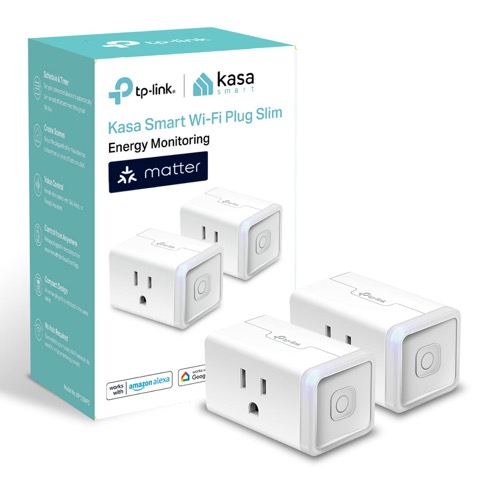 Kasa smart plugs (2-pack)
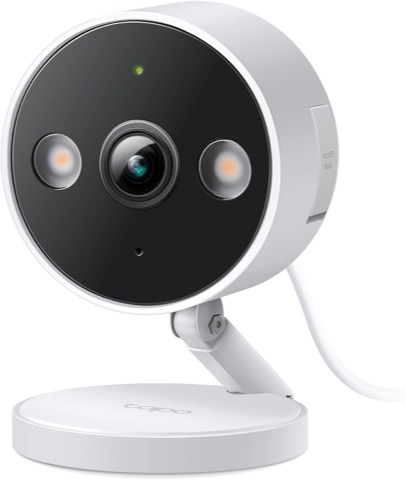 Tapo C100 Wi-Fi camera
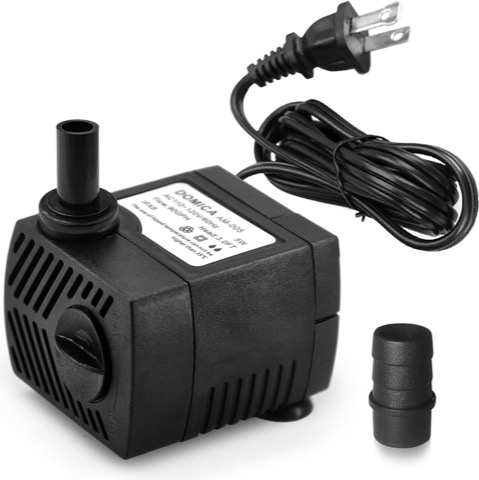 Top-up fountain pump
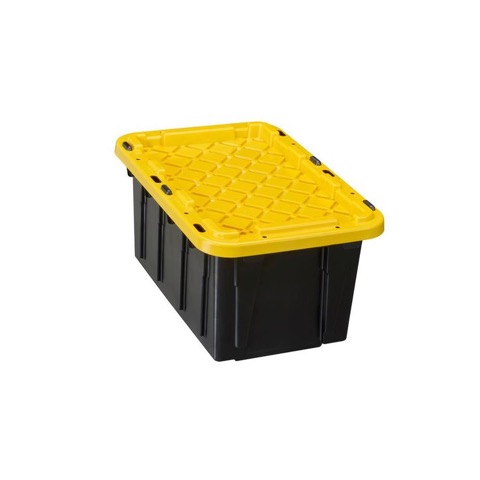 Opaque DWC tote
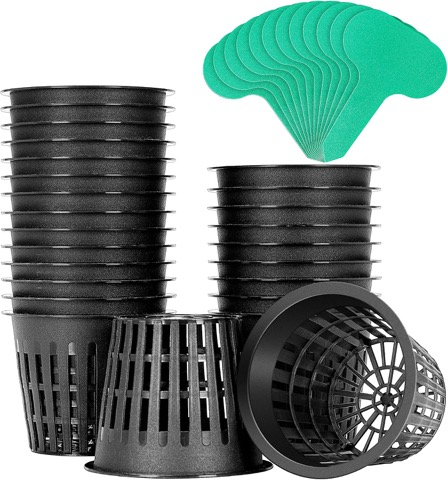 3" net pots
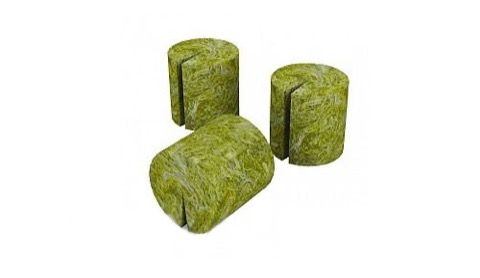 Rockwool starter plugs
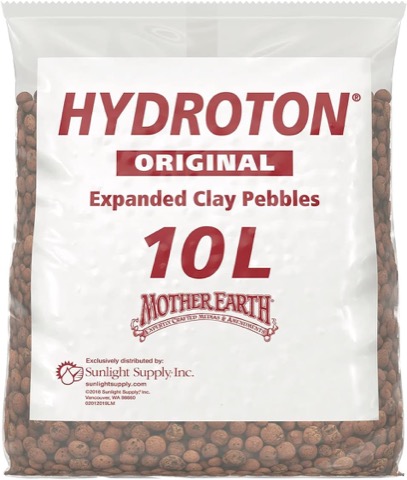 LECA clay pebbles
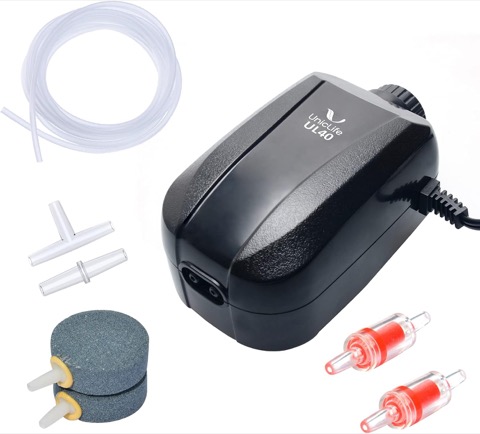 Air-pump kit (stones + tubing incl.)
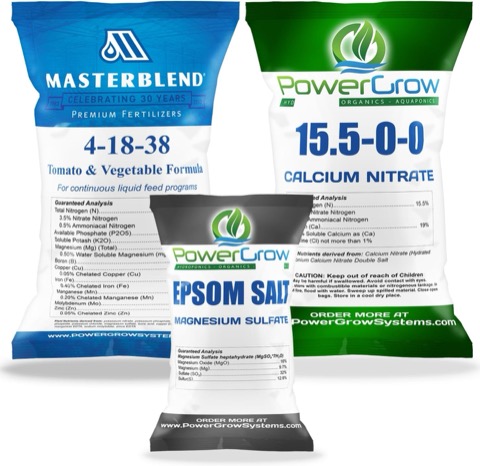 MasterBlend nutrients
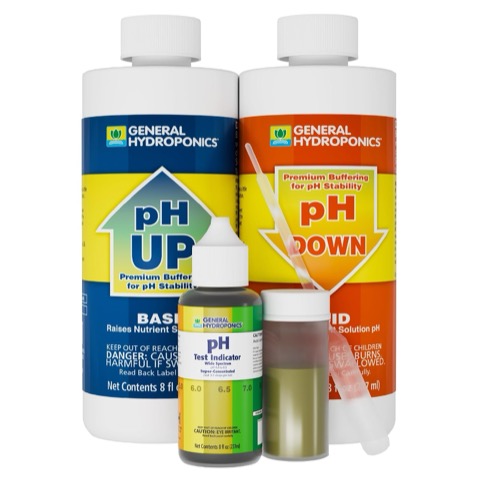 pH control kit
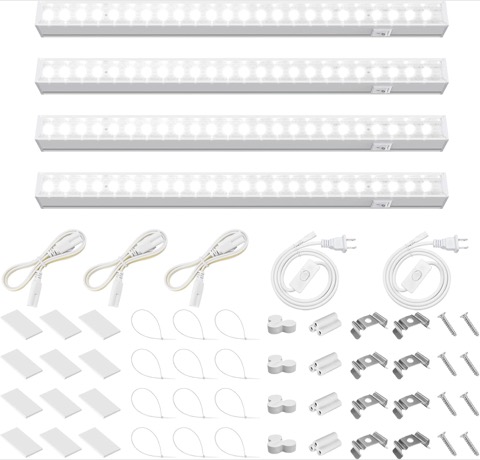 Barrina T5 light strips
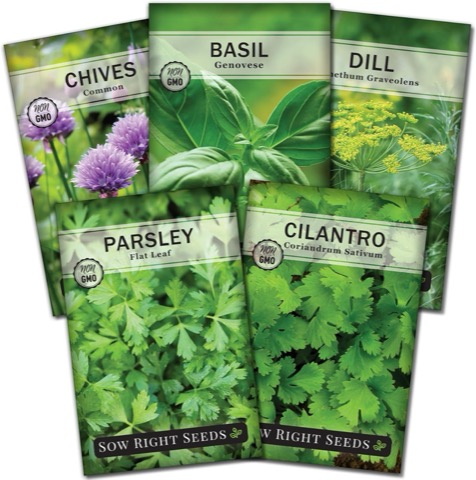 Herb seed collection
Prices are rough U.S. mid-2026 estimates, ±30% with coupons and sellers, and location-dependent — verify at the source before ordering.
Key features
Run it now, before you order parts
Mock mode runs the whole loop with zero hardware — real Claude call, real Telegram push, against a sample photo. Clone the repo and:
SAMOGROW_MOCK=1 bun run src/main.ts
Claude reads a photo, returns a structured verdict
Every N minutes it pulls an RTSP still, sends it to Claude Haiku, and gets back typed JSON it can act on:
{ water: bool, light_hours: int, pots: [{id, health}], confidence: 0–1 }
Auto top-up with hard safety caps
Per-run and per-day pump caps are the flood backstop, backed by a bounded 1–2 gal jug and an optional float/leak sensor. The cap is enforced in code, not by the model.
Telegram control & daily digest
A daily photo + health note, inline “Water now / Report” buttons, and ad-hoc questions from your phone. The bot obeys only your chat ID.
Quickstart — day one
Want to try the software right now, before any parts arrive? Jump to step 3 — it runs the whole loop on your laptop with zero hardware.
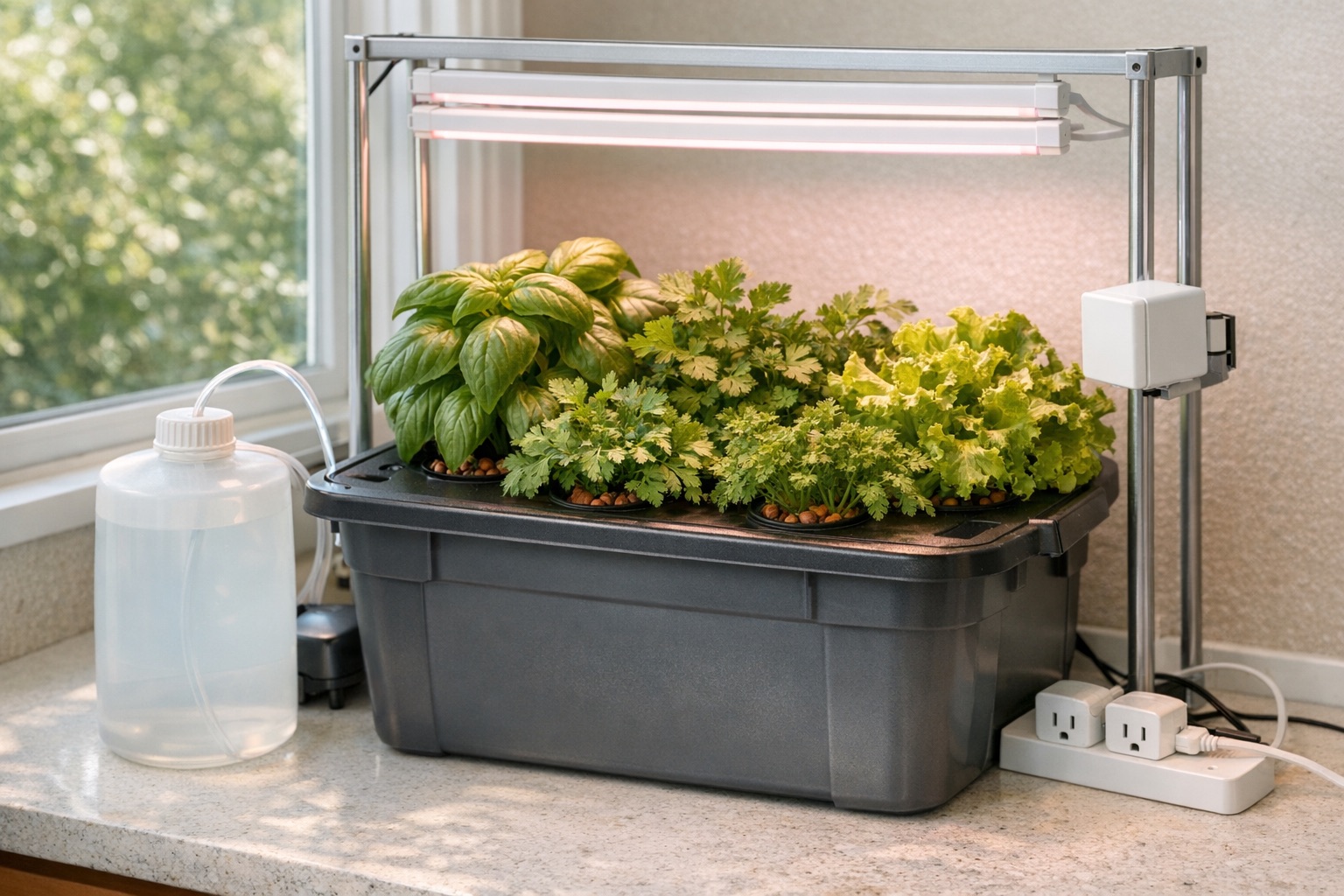
Order parts & grab grown herbs
Fast path: all 10 core items are in one Amazon list — one click to cart the lot. Grab the tote and 2–4 healthy potted herbs (basil, parsley) locally from a garden center, ~$4–5 each — they're your day-one plants (no shipping wait).
Transplant → a full garden today
Nest each root ball in a net cup of clay pebbles, fill the reservoir, and you have a good-looking, working garden the same day — no germination wait. Heads up before you drop a plant in:
- Wash ALL the soil off the roots (lukewarm water, gently) — soil left in the reservoir rots and clogs. The one step you can't skip.
- Expect a few days of droop (transplant shock) — lower the light a bit; it recovers.
- Buy a plant, not a bunch. Get a potted herb plant from a nursery's seedling section (one plant in a 3–4" pot of soil), or search live herb plant online — not the produce-aisle “fresh herbs” packs, which are many weak seedlings crammed together (usable, but pull the clump apart into a few starts first).
- ⚠️ Feed to ~800–1,100 ppm — and read your TDS meter's ×10 flag. Cheap pens show 115 ×10 = 1,150 ppm, not 115. Miss that little multiplier and you'll dose ~10× and burn the plants — it happened to us (field-test log). Target on the display: 80–110 with ×10 lit.
Set up the software in practice mode
Get the program running on your computer and connect the Telegram bot, then test the whole loop against a sample photo — no devices needed yet.
Point it at the plants
Get the plugs and camera onto your Wi-Fi, aim the camera over the canopy, point the software at them, and set it to run on its own and restart itself.
Cheaper / from scratch Prefer to grow from seed? Same build, lower cost — you just add ~2–4 weeks of germination before there's anything to transplant (parsley is the laggard at 10–28 days: soak 12–24 h, sow into moist rockwool, keep it warm). Garden-center pots beat crammed grocery “living herb” clumps; if you use those, split them gently.
Harvest Transplanted basil and mint are cuttable within days once they settle — expect a few days of transplant shock first. Parsley is the patient one. Lettuce bolts when it gets too warm.
Blog
Real gardens produce real incidents, and we run them like production outages: dated, severity-tagged, blameless, and written up in public.
Blog →
The genre is real
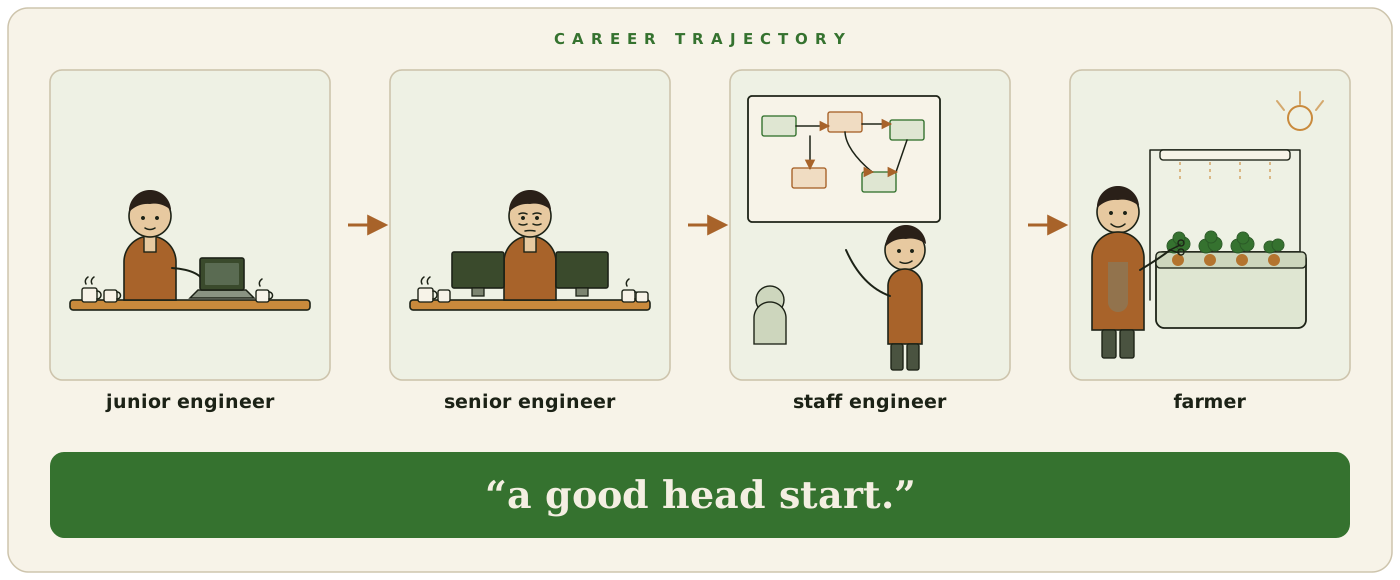
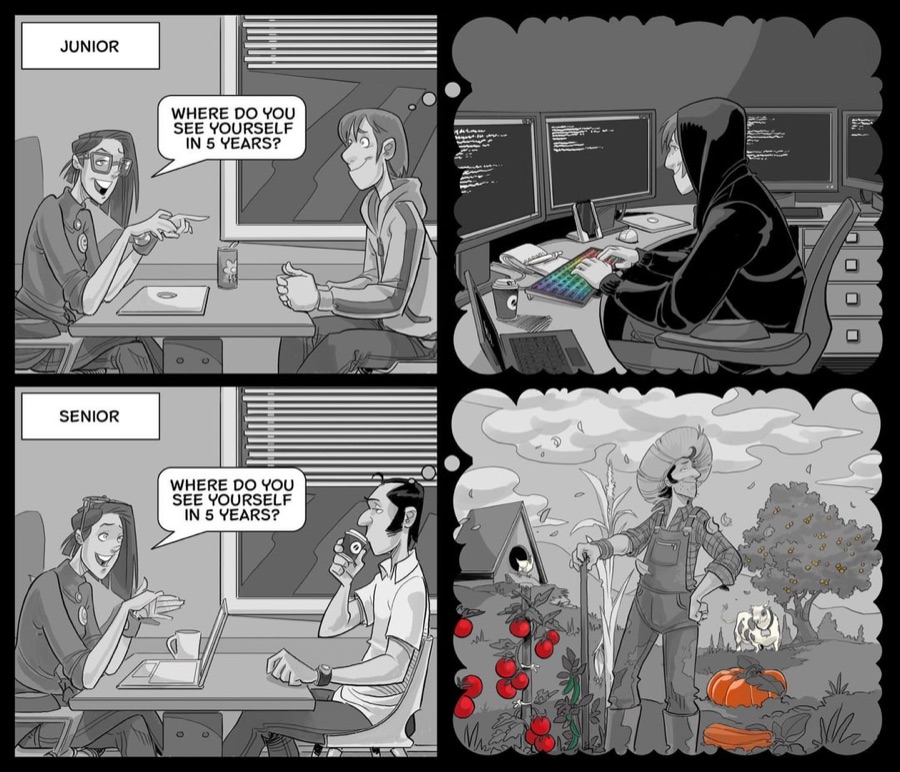 “Where do you see yourself in 5 years?” The junior wants the battlestation; the senior wants the farm.reddit · unknown artist ↗
 22 years at Microsoft, next role: “Goose farmer.” The story the internet turned into a meme.@drummatick · via @nixcraft ↗
 “Engineer or developer?” — the correct answer: software gardener.Witcher cast interview
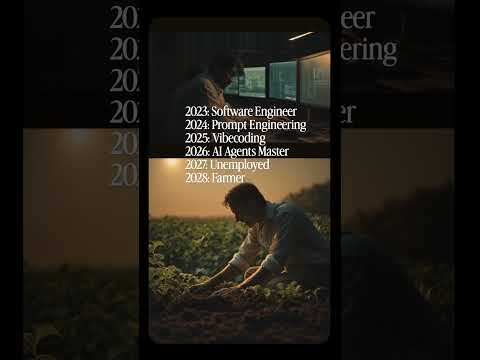 The engineer-quits-to-farm bit, in short form.youtube.com ↗
Instagram reel ↗
Another take on trading the IDE for a field.instagram.com
TikTok ↗
The same daydream, set to sound.@eliana_codes
r/ProgrammerHumor ↗
“Seriously” — the thread where everyone admits it.reddit.com
Why programmers want to farm ↗
“Gardening is the exact opposite of coding.” The essay that names the whole phenomenon.EngineerDog
The engineer-quits-to-farm bit, in short form.youtube.com ↗
Instagram reel ↗
Another take on trading the IDE for a field.instagram.com
TikTok ↗
The same daydream, set to sound.@eliana_codes
r/ProgrammerHumor ↗
“Seriously” — the thread where everyone admits it.reddit.com
Why programmers want to farm ↗
“Gardening is the exact opposite of coding.” The essay that names the whole phenomenon.EngineerDog